
Explore the foundations of permaculture, a holistic and sustainable design system rooted in ecology, community resilience, and regenerative land stewardship. During this one-hour session, we’ll introduce the core ethics and principles that guide permaculture practitioners around the world. You’ll also get a preview of what to expect in the Flanders 2027 Permaculture Design Certification (PDC) course. Join us for an hour of learning, conversation, and connection. Bring your curiosity and your questions.
Immerse yourself in the principles and practices of permaculture through this
comprehensive certification program. Designed to build both confidence and inspiration,
this course guides participants in creating sustainable, regenerative systems for their
homes and properties. Taught in partnership with environmental science professionals
from the Northwest Conservation District of Connecticut, the program features
expert guest lectures that deepen your understanding of soil health, water management, ecological design, and land stewardship. Whether you’re new to permaculture or expanding your skills, this course provides the knowledge and handson experience needed to design resilient landscapes rooted in ecological harmony.
HAVE QUESTIONS OR NEED SOME MORE INFORMATION? permaculture@flandernaturecenter.org
Cost: $1450 member & $1500 non
Location: Van Vleck Sanctuary (Field trips to local sites may be scheduled.)
Time: 9 AM to 5 PM
Dates: Saturdays: January 9 & 23, February 6 & 20, March 6 & 20, April 10 & 24, May 8 &15
*In the event of inclement weather, the program will be held online via Zoom.
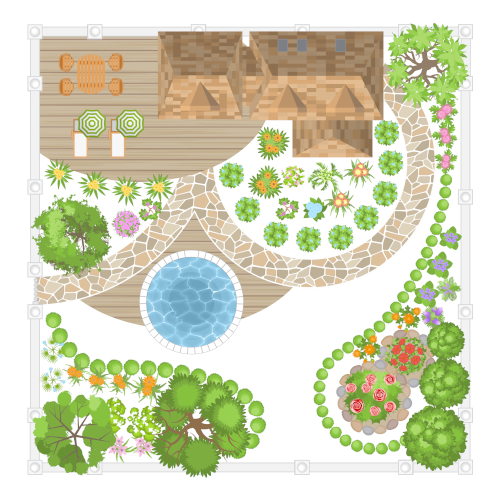
This immersive program engages students in the core concepts and practical applications of permaculture design. Ideal for anyone interested in creating sustainable, regenerative systems at any scale — from home gardens to working farms — the course blends foundational principles with hand son learning. Under the guidance of instructor Elmo Ranelli, each participant will complete a personalized permaculture design project, gaining realworld experience in ecological planning and land stewardship. Regular attendance and completion of assignments are expected to ensure a strong grasp of the material. Participants will also explore how permaculture is adapted to the Northeast region, learning about local ecosystems, climate considerations, and ways to connect with the growing permaculture community throughout New England.
Key Topics:
● Core Permaculture Ethics and Principles
● Full Spectrum Site Analysis
● Water Harvesting and Management
● Soil Health and Plant Cultivation
● Food Production Systems
● Animal Integration
● Site Design and Implementation
● Energy and Resource Management
● Social and Economic Impacts
● Case Studies and Practical Applications
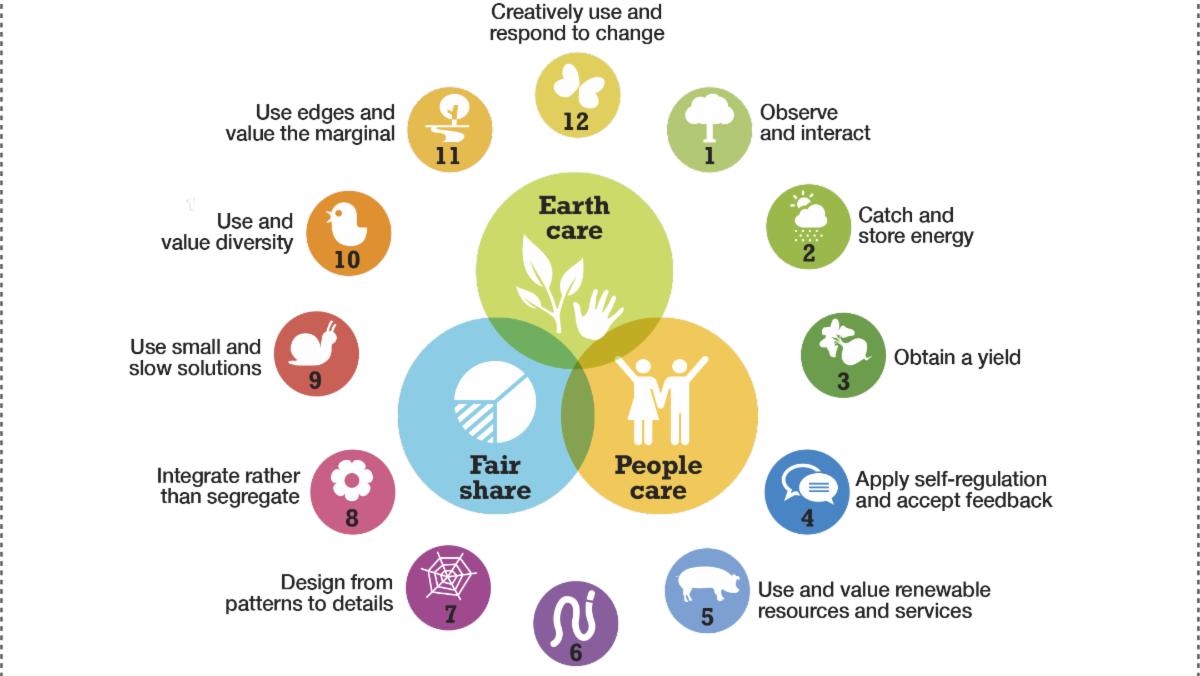
Explore the foundations of permaculture, a holistic and sustainable design system rooted in ecology, community resilience, and regenerative land stewardship. During this one-hour session, we’ll introduce the core ethics and principles that guide permaculture practitioners around the world. You’ll also get a preview of what to expect in the Flanders 2027 Permaculture Design Certification (PDC) course. Join us for an hour of learning, conversation, and connection. Bring your curiosity and your questions.
Wed, Oct 7, Nov 4 & Dec 9 | 7 PM | Virtual Online | Complimentary, but registration required | REGISTER
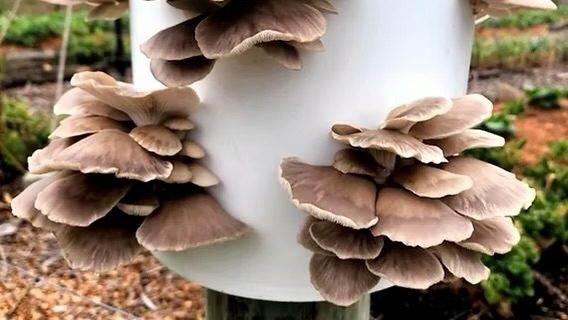
Learn how to grow your own gourmet mushrooms at home in this hands‑on workshop led by permaculture instructor Elmo Ranelli. Participants will explore the basics of mushroom anatomy, cultivation techniques, and permaculture principles while inoculating substrates for three beginner‑friendly culinary species: oyster, wine cap, and shiitake. Attendees will create and take home their own oyster mushroom bucket—and may also inoculate a shiitake log to continue growing at home. The workshop also introduces foundational concepts in bio‑ and myco-remediation, offering a deeper look at how fungi can nourish both people and the land.
Sat, Oct 17 | 10 AM – 1 PM | Trail House Lab | $65 member & $75 non | REGISTER

Discover how fermentation can nourish both your kitchen and your garden in this engaging, hands‑on workshop led by permaculture instructor Elmo Ranelli. Through a blend of lecture, demonstration, and guided practice, participants will explore the history, science, and practical applications of vegetable fermentation — and how these time‑honored techniques align with core permaculture principles. Learn what fermentation is, how it works, and why it has been used for centuries to preserve food and enhance nutrition. Then roll up your sleeves to create a simple fermented condiment and two fermented plant extractions that can be used as nutrient‑rich fertilizer for home gardens. Attendees will take home both edible and garden‑ready ferments to continue experimenting with at home.
Tues, Nov 10 | 6 PM | Trail House Lab | $30 member & $40 non | REGISTER
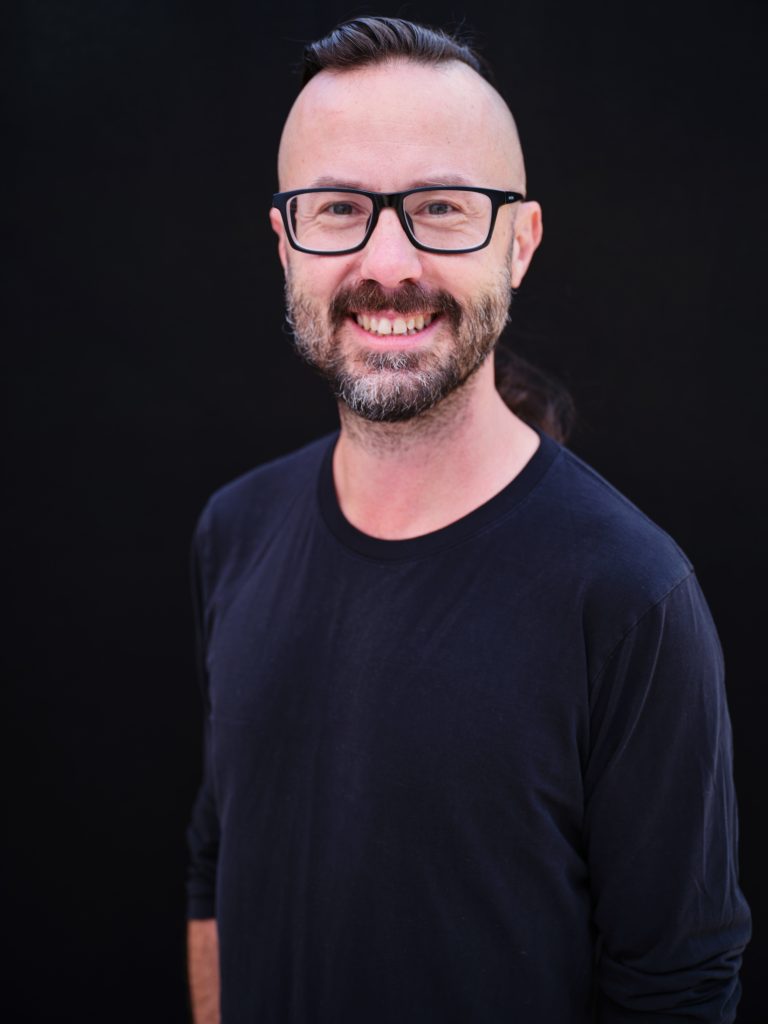
Elmo is thrilled to help bring permaculture’s design philosophy and practices to Flanders Nature Center. He has been studying and practicing permaculture for nearly 10 years and has received his permaculture design certification from Cornell University. Elmo brings a diversity of interests and experience ranging from performance, television production, and nightlife to fermentation, food systems, and design. Now, he will introduce a new crop of future designers to the ethics, principles and practices of permaculture.